
Roof Streaks vs. Roof Damage: How to Tell the Difference


Understanding Roof Streaks
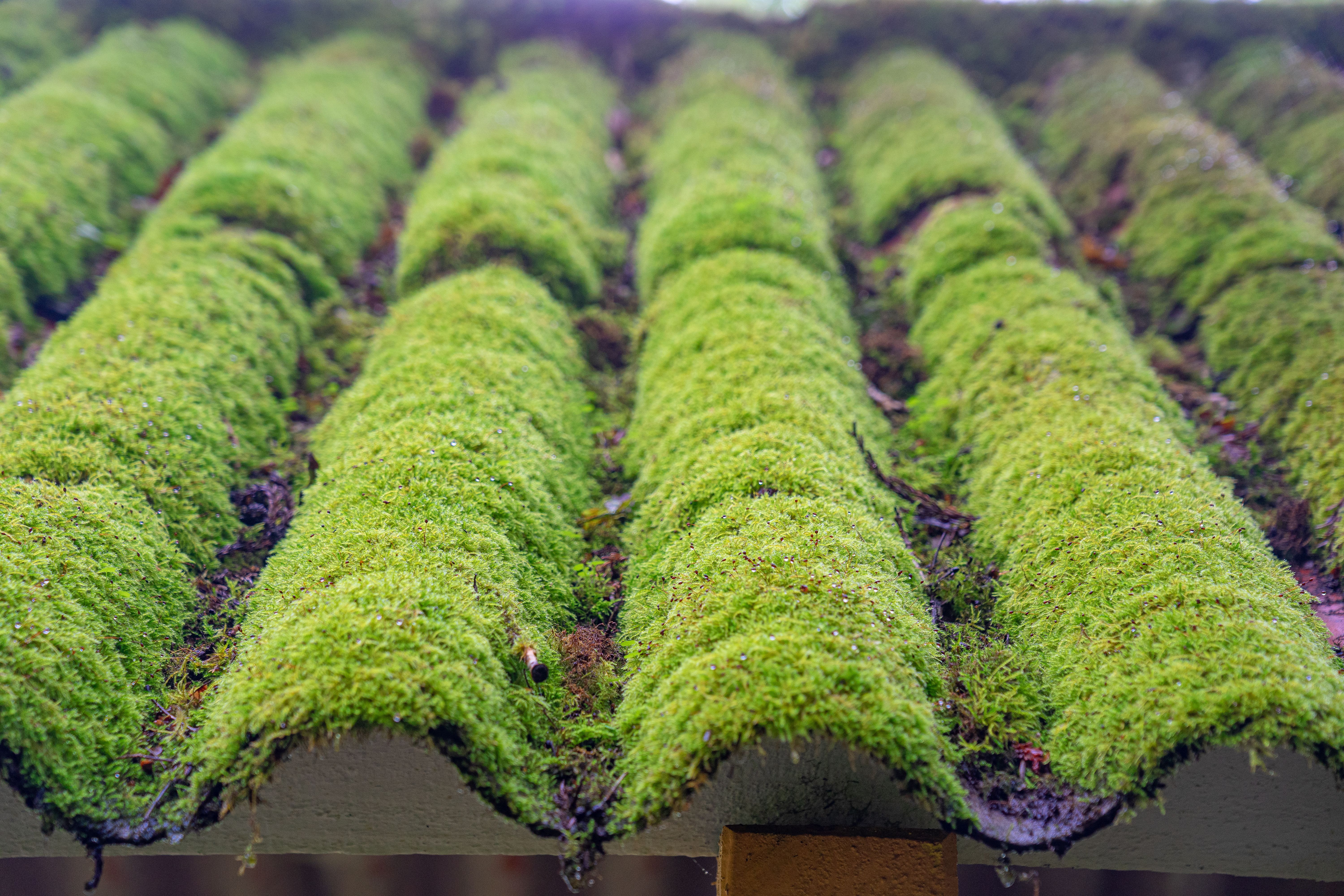
Many homeowners notice dark streaks on their roofs and immediately assume the worst. However, these streaks are often not a sign of serious damage. Typically, they are caused by algae growth, specifically a type called Gloeocapsa magma. This airborne algae thrives in humid environments and can cause unsightly black or blue-green streaks.
While not aesthetically pleasing, roof streaks from algae do not indicate structural damage. Instead, they are more of a cosmetic issue. Regular cleaning can help maintain your roof's appearance and prevent algae from spreading further.
Identifying Roof Damage
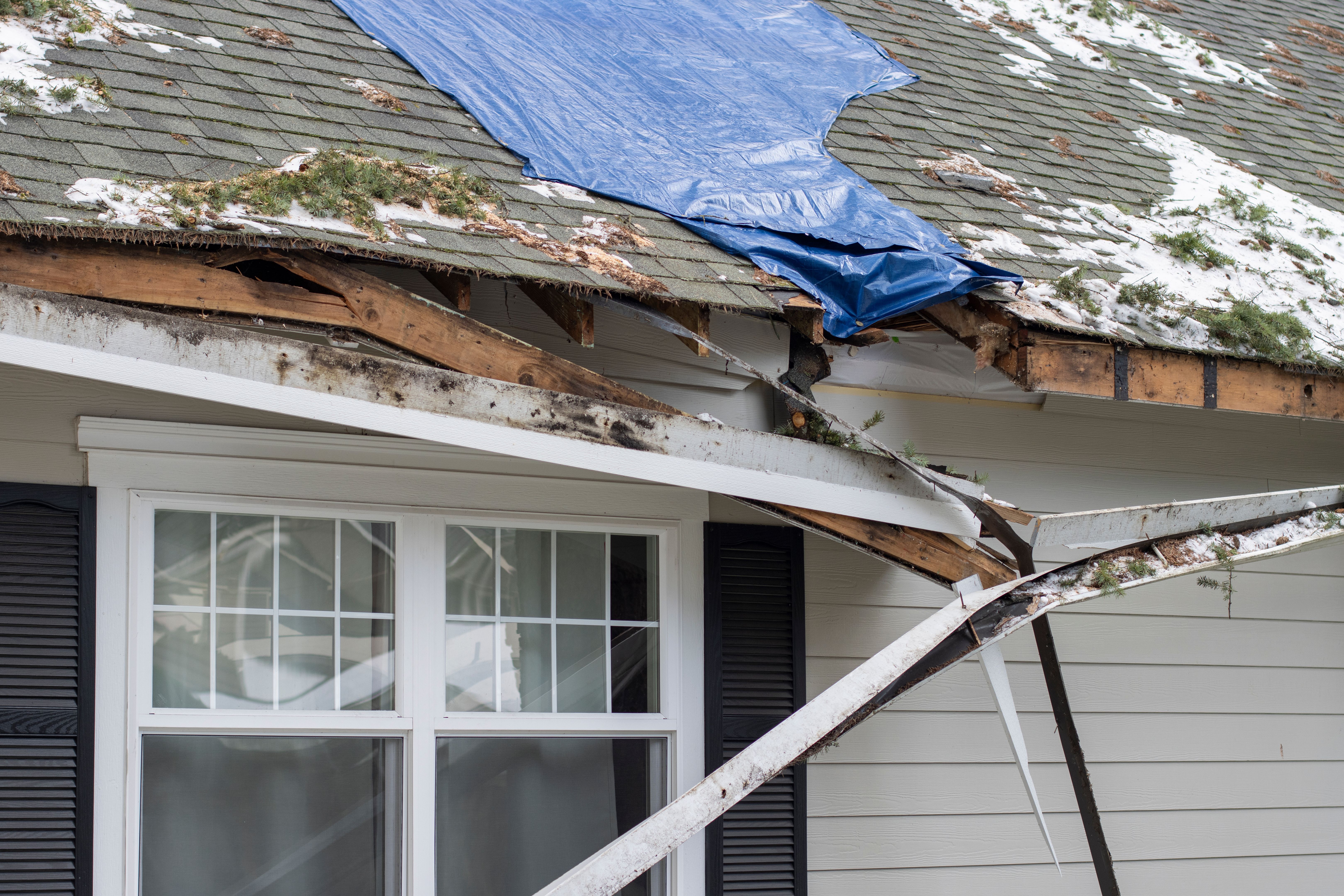
Unlike streaks caused by algae, roof damage often has more serious implications. Damage can result from various factors such as weather, aging, or poor installation. It is crucial to identify signs of damage early to prevent costly repairs.
Common indicators of roof damage include:
- Missing or cracked shingles
- Granules in gutters
- Water stains on ceilings
- Leaks during rain
Steps to Differentiate Between the Two
If you're unsure whether streaks or damage are affecting your roof, consider these steps:
- Inspect closely: Use binoculars or safely climb a ladder to inspect your roof. Look for physical damage beyond discoloration.
- Check gutters: Granules in gutters suggest shingle wear, indicating potential damage.
- Observe after rain: Water leaks are a clear sign of damage, not just streaks.
By following these steps, you can better understand your roof's condition and decide on the necessary actions.
Preventive Measures
To minimize the risk of roof streaks and damage, regular maintenance is key. Here are some preventive measures:
- Regular cleaning: Use a mixture of water and gentle cleaner to remove algae.
- Trim trees: Keep branches away from your roof to reduce moisture and debris.
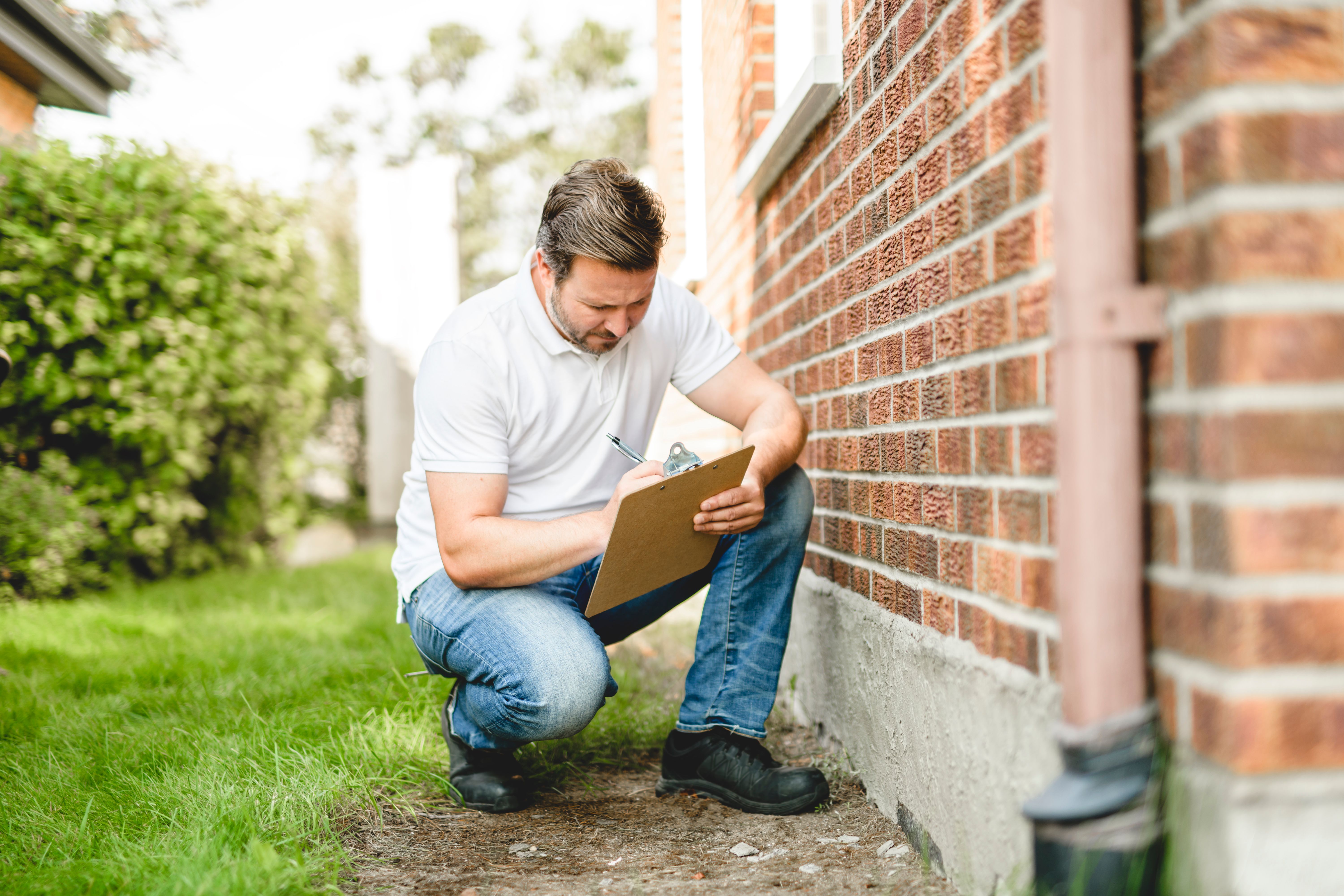
- Professional inspections: Schedule annual inspections by a roofing professional to catch potential issues early.
Implementing these measures can prolong your roof's lifespan and keep it looking its best.